It's a whole project, not a series of decisions
Left to their own devices, most home projects happen in a slightly chaotic order. A kitchen gets fitted, and then someone remembers they wanted a socket for the coffee machine exactly where the tiling has already gone up. A beautiful pendant light gets bought,and then it turns out the ceiling rose isn't wired anywhere near where the dining table will actually sit.
Planning the whole project from start to finish means the electrics and plumbing go in the right place the first time — because we've already decided where the fridge, the floor lamp,and the reading chair are going to live before a single cable gets chased intoa wall. It sounds unglamorous. It saves an enormous amount of money and swearing.
A cohesive room, not a lucky accident
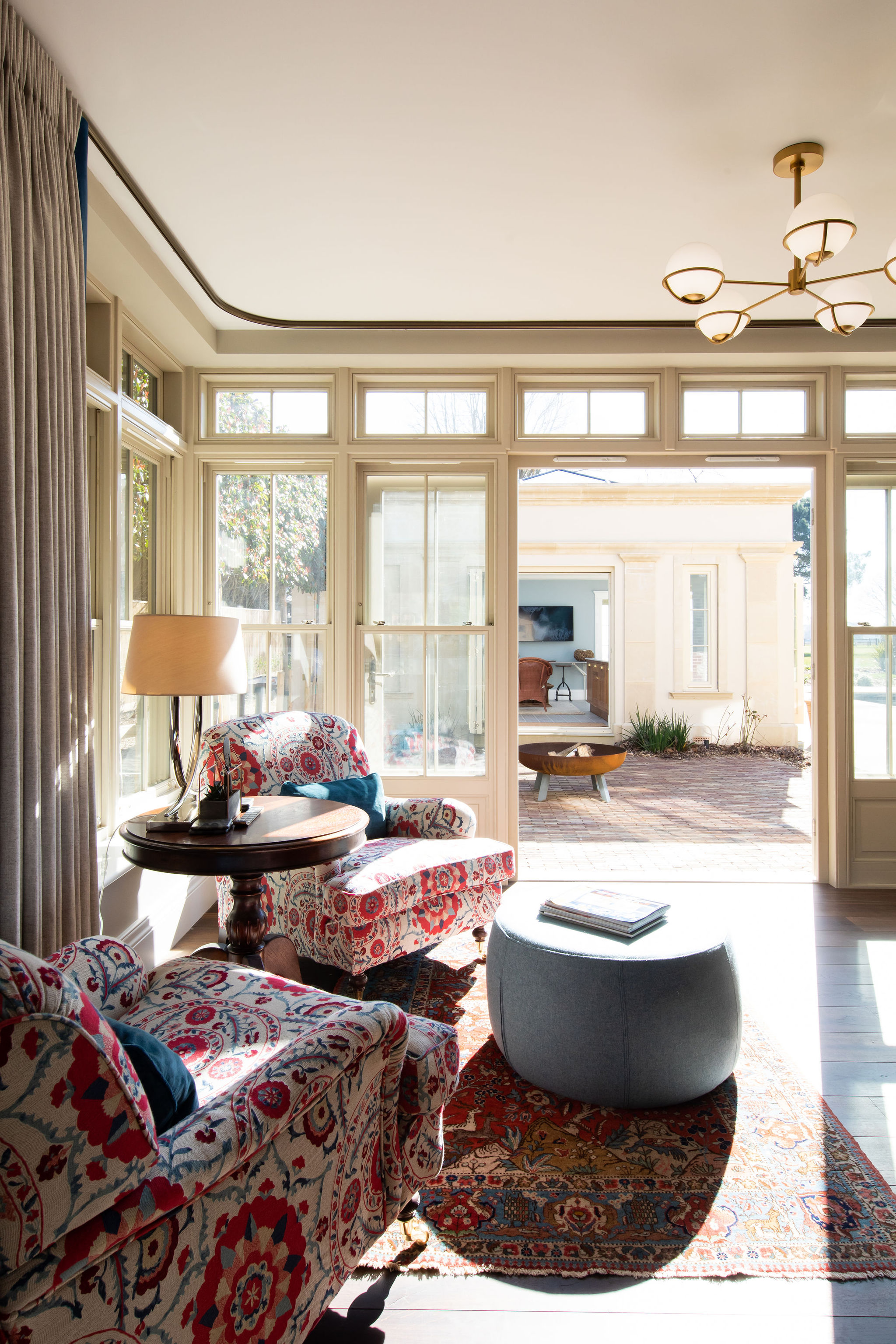
When everything is planned together — layout, lighting, colour, furniture, finishes — a room simply works in a way that a collection of nice individual pieces often doesn't. Nothing fights for attention, nothing feels randomly plonked. It's the difference between a room that looks "nice" and one that looks considered.
A proper budget means smarter spending, not just more spending
Here's the bit people don'texpect: planning everything upfront doesn't mean spending more, it means spending better. Once the whole scheme is mapped out, you know exactly wherethe big-ticket investment pieces should go — the sofa you'll have for fifteen years, the stone worktop — and where you can happily take your time hunting down something more affordable, because you know precisely what you're looking for: the size, the colour, the vibe. No more impulse-buying a gorgeous chair that turns out to be four centimetres too wide for the space you actually had in mind.
Less waste, less regret
Every designer has a client with a "mistake cupboard" — the rug that's the wrong size, the lamp that clashes, the chair that's beautiful but somehow always in the way. Planning properly from the outset means you shop with confidence instead of hope,and you don't end up with a garage full of expensive might-have-beens.
In short: hiring a designer isn't really about taste. It's about having someone hold the whole picture intheir head so you don't have to — and so every pound you spend actually lands somewhere useful.